


Protein Isn’t Just a Nutrient Anymore. It’s a Missing Link.
For years, protein was treated like a bodybuilder’s concern. Something you worried about only if you were lifting weights or trying to “bulk up.”
Today, we know better.
Protein isn’t just about muscles.
It shapes your blood sugar response, your energy levels, your cravings, your recovery, and even how long you stay full after a meal.
Most people I work with aren’t under-eating calories.
They’re under-eating protein, while eating plenty of carbohydrates.
That mismatch is what leaves them tired by mid-morning, hungry again an hour after meals, and stuck in cycles of overeating and restriction.
So instead of asking “What is protein?”, the better question is:
What actually happens when your diet doesn’t have enough of it?
Protein as a Daily Stabiliser, Not a Fitness Add-On
Protein is best understood as the body’s stabilising nutrient. It helps to:
-
Slows down how quickly glucose enters your bloodstream
-
Supports lean tissue, not just visible muscle
-
Reduces constant hunger and grazing
-
Helps your body repair, adapt, and stay resilient under stress
This is why people often feel better when they add protein, even before they change anything else.
Better energy.
Fewer cravings.
More predictable appetite.
Not because protein is magical, but because it restores balance.
The Real Protein Problem in Indian Diets
The issue isn’t that Indians don’t eat protein at all.
It’s where, how, and how much.
Most plates are built around:
-
Large portions of grains
-
Small, diluted servings of protein
-
Protein pushed to the side instead of forming the base
Dal becomes the main protein, but the quantity is often too small and too carb-heavy to do the job on its own. Paneer is used occasionally, eggs inconsistently, and plant proteins rarely combined thoughtfully.
The result?
Meals that look wholesome but don’t hold you for very long.
Complete vs Incomplete Protein – What Actually Matters
You may have heard terms like complete and incomplete protein. But instead of memorising lists, here’s something to remember:
-
Complete proteins provide all essential amino acids in one source
-
Incomplete proteins can still work well when combined or eaten in adequate amounts
Animal foods naturally fall into the complete category. Some plant foods do too. Most plant proteins need intentional pairing or larger portions.
The problem isn’t plant protein. The problem is assuming any small serving automatically counts as “enough.”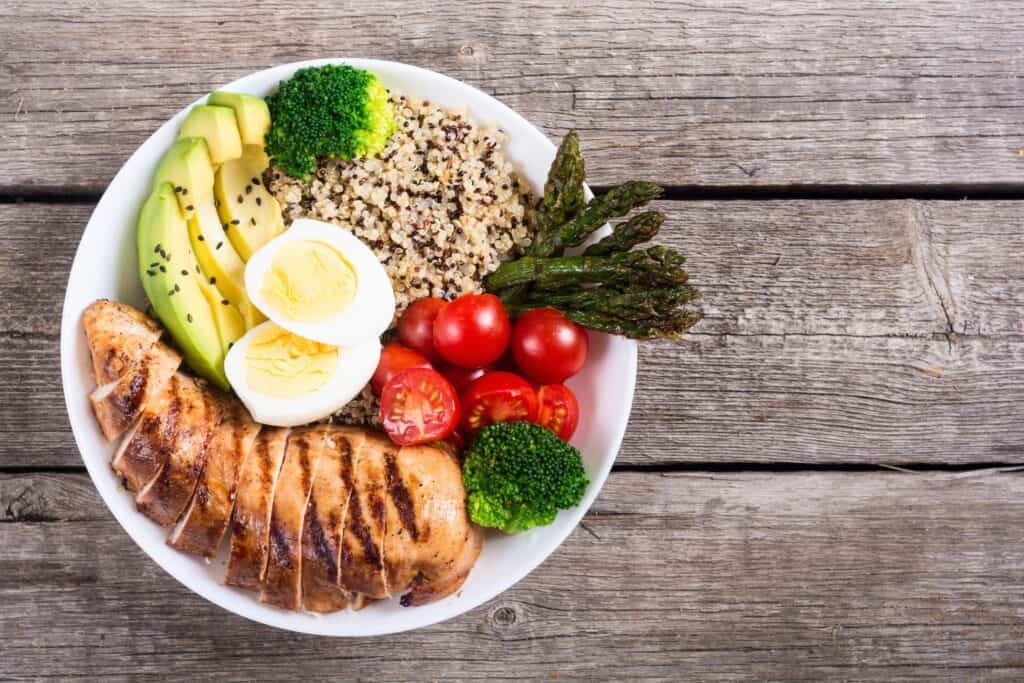
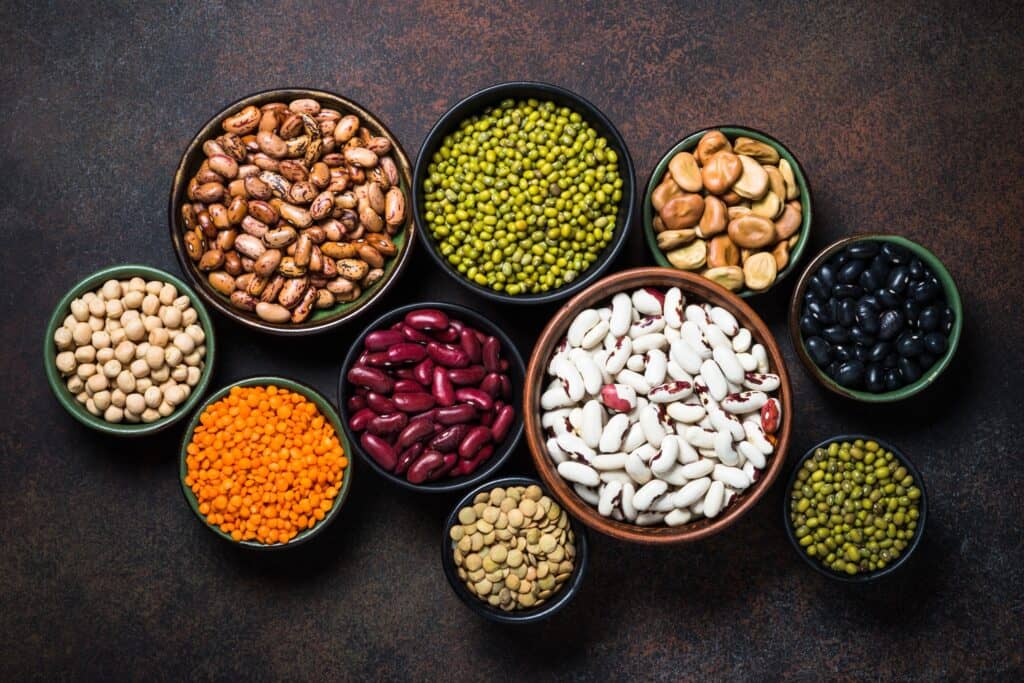
- Incomplete Proteins: Incomplete proteins lack one or more essential amino acids. Most plant-based protein sources, such as beans, legumes, nuts, and seeds, are considered incomplete proteins. However, by combining various plant-based protein sources, you can create a complete protein meal. How do you combine plant-based proteins to meet your amino acid needs?
Functions of Proteins in Our Body
Proteins serve a variety of functions in our body, including:
- Building and repairing tissues: Proteins are essential for the growth and maintenance of muscles, bones, and other tissues.
- Supporting immune function: Antibodies, which are proteins, help our immune system identify and neutralize harmful substances.
- Transporting nutrients: Proteins help transport nutrients, such as vitamins and minerals, throughout our body.
- Hormone production: Proteins play a role in the production of hormones that regulate our metabolism, growth, and reproduction.
The Importance of High-Quality Protein Sources
However, not all protein sources are created equal, and it’s essential to consume high-quality proteins to meet your nutritional needs. High-quality protein sources contain all essential amino acids in the right proportions and are easily absorbed by the body. Animal-based proteins are typically considered high-quality, but some plant-based proteins, like buckwheat and soy, can also be an excellent source of complete protein. What high-quality protein sources do you include in your diet?
Tips for Optimizing Protein Consumption
Now that we know the different types of proteins and their impact on our health, let’s explore some tips on how to optimize your protein consumption:
- Prioritise Complete Proteins: Aim to consume a variety of complete proteins from sources like meat, poultry, fish, eggs, dairy products, and plant-based options like quinoa, soy, and buckwheat.
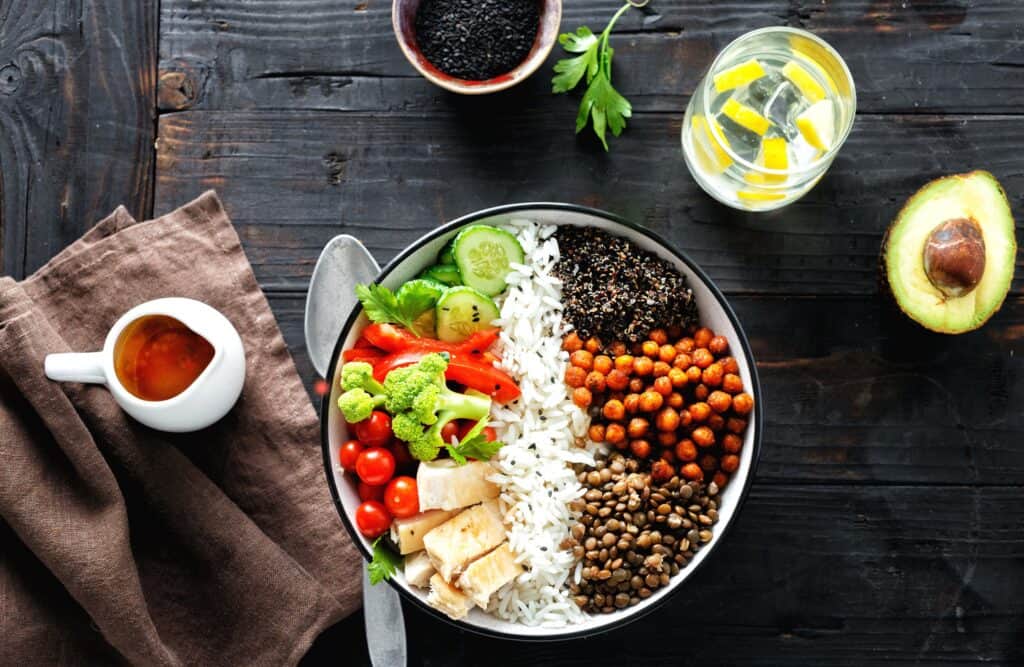
- Combine Plant-Based Proteins: If you follow a plant-based diet or want to include more plant-based proteins, remember to combine various sources to create complete protein meals. For example, try beans and rice or a nut butter on whole-grain bread. What plant-based protein combinations do you enjoy?
- Consume High-Quality Proteins: Focus on high-quality protein sources, including meats, poultry, fish, dairy products, and plant-based options like soy, quinoa, and buckwheat. Look for grass-fed, organic, and sustainably sourced options whenever possible.
 Balance Protein Intake Throughout the Day: Instead of consuming a large amount of protein in one meal, aim to distribute your protein intake evenly throughout the day. This can help improve muscle synthesis and overall protein utilisation.
- Get Creative with Protein-Rich Snacks: Incorporate protein-rich snacks into your daily routine, such as Greek yogurt with berries, a handful of almonds, or a slice of turkey wrapped around avocado.
 Balance Protein Intake Throughout the Day: Instead of consuming a large amount of protein in one meal, aim to distribute your protein intake evenly throughout the day. This can help improve muscle synthesis and overall protein utilisation.
Recommended Protein Requirements
Understanding your protein requirements is crucial for maintaining optimal health. As mentioned earlier, the recommended daily protein intake for sedentary adults is approximately 0.8 grams of protein per kilogram of body weight. However, individual needs can vary based on factors such as age, gender, activity level, and overall health. For a person weighing 60 kg with a daily protein requirement of around 50 grams, here’s an example of a list of foods they can consume in a day:
Breakfast:
- 1 large egg (6g protein)
- 1 slice of whole-grain toast (4g protein)
Lunch:
- 100g paneer/cottage cheese (18g protein)
- 1 cup of mixed vegetables (2g protein)
Teatime Snack:
- 1/2 cup of Greek yogurt (6g protein)
- 1/4 cup of berries (1g protein)
 Dinner:
 Dinner:
- 100g of baked salmon (17g protein)
- 1/2 cup of cooked quinoa (4g protein)
Total Protein Intake: 58 grams
This meal plan offers a more balanced protein intake throughout the day, totalling around 58 grams. It’s important to remember that this is just an example, and you should tailor your meal plan based on your individual needs and preferences. By incorporating various protein sources and adjusting portion sizes, you can ensure that you’re meeting your daily protein requirements while also consuming other essential nutrients.
The Role of Protein in Weight Loss
Incorporating sufficient protein into your diet can play a significant role in weight loss and overall health. Here are the various ways protein contributes to weight loss and how you can optimise your protein intake to support your weight loss goals.
- Increased Satiety: One of the most notable benefits of protein is its ability to increase satiety, or the feeling of fullness, after a meal. Consuming adequate protein can help you feel fuller for longer periods, reducing the likelihood of overeating or snacking on unhealthy foods. What protein sources do you find most satisfying?
- Boosted Metabolism: Protein has a higher thermic effect than carbohydrates or fats, which means your body uses more energy to digest and metabolize it. This increased energy expenditure can lead to a slightly higher metabolic rate, which, over time, can support weight loss. Have you noticed an increase in your metabolism when consuming protein-rich meals?
- Maintaining Muscle Mass: When trying to lose weight, it’s essential to preserve muscle mass while shedding fat. Consuming an adequate amount of protein supports muscle maintenance and growth, ensuring that your body is burning fat and not muscle for energy.
 Increased Satiety: One of the most notable benefits of protein is its ability to increase satiety, or the feeling of fullness, after a meal. Consuming adequate protein can help you feel fuller for longer periods, reducing the likelihood of overeating or snacking on unhealthy foods. What protein sources do you find most satisfying?
Some Easy Strategies
To optimize protein intake for weight loss, consider the following strategies:
- Choose High-Quality Protein Sources: Focus on consuming lean protein sources like chicken, turkey, fish, beans, and low-fat dairy. These foods provide essential amino acids without excessive calories or unhealthy fats. What are your favorite high-quality protein sources?
- Distribute Protein Intake Evenly: Aim to consume protein-rich foods at each meal to support satiety and muscle maintenance throughout the day. How do you balance your protein intake across meals?
- Combine Protein with Fibre: Pairing protein-rich foods with high-fiber options like whole grains, fruits, and vegetables can further enhance feelings of fullness and support weight loss efforts. What are your go-to protein and fiber combinations?
Therefore, by understanding the role of protein in weight loss and incorporating these strategies into your daily routine, you can support your weight loss goals while maintaining overall health.
In conclusion, protein is a vital macronutrient that plays a vital role in our overall health and well-being, supporting muscle growth, immune function, and even weight loss. Thus, by focusing on a diverse, well-rounded diet that includes high-quality protein sources, you can support our overall health and well-being. By focusing on high-quality protein sources, balancing protein intake throughout the day, and combining protein with other essential nutrients, you can support our body’s needs and achieve our health goals. Remember to listen to your body, adjust your protein intake based on your lifestyle, and explore diverse protein sources as you go about using the pathway of targeted nutrition to build and accrue good health.
SHARE

Protein Isn’t Just a Nutrient Anymore. It’s a Missing Link.
For years, protein was treated like a bodybuilder’s concern. Something you worried about only if you were lifting weights or trying to “bulk up.”
Today, we know better.
Protein isn’t just about muscles.
It shapes your blood sugar response, your energy levels, your cravings, your recovery, and even how long you stay full after a meal.
Most people I work with aren’t under-eating calories.
They’re under-eating protein, while eating plenty of carbohydrates.
That mismatch is what leaves them tired by mid-morning, hungry again an hour after meals, and stuck in cycles of overeating and restriction.
So instead of asking “What is protein?”, the better question is:
What actually happens when your diet doesn’t have enough of it?
Protein as a Daily Stabiliser, Not a Fitness Add-On
Protein is best understood as the body’s stabilising nutrient. It helps to:
-
Slows down how quickly glucose enters your bloodstream
-
Supports lean tissue, not just visible muscle
-
Reduces constant hunger and grazing
-
Helps your body repair, adapt, and stay resilient under stress
This is why people often feel better when they add protein, even before they change anything else.
Better energy.
Fewer cravings.
More predictable appetite.
Not because protein is magical, but because it restores balance.
The Real Protein Problem in Indian Diets
The issue isn’t that Indians don’t eat protein at all.
It’s where, how, and how much.
Most plates are built around:
-
Large portions of grains
-
Small, diluted servings of protein
-
Protein pushed to the side instead of forming the base
Dal becomes the main protein, but the quantity is often too small and too carb-heavy to do the job on its own. Paneer is used occasionally, eggs inconsistently, and plant proteins rarely combined thoughtfully.
The result?
Meals that look wholesome but don’t hold you for very long.
Complete vs Incomplete Protein – What Actually Matters
You may have heard terms like complete and incomplete protein. But instead of memorising lists, here’s something to remember:
-
Complete proteins provide all essential amino acids in one source
-
Incomplete proteins can still work well when combined or eaten in adequate amounts
Animal foods naturally fall into the complete category. Some plant foods do too. Most plant proteins need intentional pairing or larger portions.
The problem isn’t plant protein. The problem is assuming any small serving automatically counts as “enough.”
- Incomplete Proteins: Incomplete proteins lack one or more essential amino acids. Most plant-based protein sources, such as beans, legumes, nuts, and seeds, are considered incomplete proteins. However, by combining various plant-based protein sources, you can create a complete protein meal. How do you combine plant-based proteins to meet your amino acid needs?
Functions of Proteins in Our Body
Proteins serve a variety of functions in our body, including:
- Building and repairing tissues: Proteins are essential for the growth and maintenance of muscles, bones, and other tissues.
- Supporting immune function: Antibodies, which are proteins, help our immune system identify and neutralize harmful substances.
- Transporting nutrients: Proteins help transport nutrients, such as vitamins and minerals, throughout our body.
- Hormone production: Proteins play a role in the production of hormones that regulate our metabolism, growth, and reproduction.
The Importance of High-Quality Protein Sources
However, not all protein sources are created equal, and it’s essential to consume high-quality proteins to meet your nutritional needs. High-quality protein sources contain all essential amino acids in the right proportions and are easily absorbed by the body. Animal-based proteins are typically considered high-quality, but some plant-based proteins, like buckwheat and soy, can also be an excellent source of complete protein. What high-quality protein sources do you include in your diet?
Tips for Optimizing Protein Consumption
Now that we know the different types of proteins and their impact on our health, let’s explore some tips on how to optimize your protein consumption:
- Prioritise Complete Proteins: Aim to consume a variety of complete proteins from sources like meat, poultry, fish, eggs, dairy products, and plant-based options like quinoa, soy, and buckwheat.
- Combine Plant-Based Proteins: If you follow a plant-based diet or want to include more plant-based proteins, remember to combine various sources to create complete protein meals. For example, try beans and rice or a nut butter on whole-grain bread. What plant-based protein combinations do you enjoy?
- Consume High-Quality Proteins: Focus on high-quality protein sources, including meats, poultry, fish, dairy products, and plant-based options like soy, quinoa, and buckwheat. Look for grass-fed, organic, and sustainably sourced options whenever possible.
- Balance Protein Intake Throughout the Day: Instead of consuming a large amount of protein in one meal, aim to distribute your protein intake evenly throughout the day. This can help improve muscle synthesis and overall protein utilisation.
- Get Creative with Protein-Rich Snacks: Incorporate protein-rich snacks into your daily routine, such as Greek yogurt with berries, a handful of almonds, or a slice of turkey wrapped around avocado.
Recommended Protein Requirements
Understanding your protein requirements is crucial for maintaining optimal health. As mentioned earlier, the recommended daily protein intake for sedentary adults is approximately 0.8 grams of protein per kilogram of body weight. However, individual needs can vary based on factors such as age, gender, activity level, and overall health. For a person weighing 60 kg with a daily protein requirement of around 50 grams, here’s an example of a list of foods they can consume in a day:
Breakfast:
- 1 large egg (6g protein)
- 1 slice of whole-grain toast (4g protein)
Lunch:
- 100g paneer/cottage cheese (18g protein)
- 1 cup of mixed vegetables (2g protein)
Teatime Snack:
- 1/2 cup of Greek yogurt (6g protein)
- 1/4 cup of berries (1g protein)
Dinner:
- 100g of baked salmon (17g protein)
- 1/2 cup of cooked quinoa (4g protein)
Total Protein Intake: 58 grams
This meal plan offers a more balanced protein intake throughout the day, totalling around 58 grams. It’s important to remember that this is just an example, and you should tailor your meal plan based on your individual needs and preferences. By incorporating various protein sources and adjusting portion sizes, you can ensure that you’re meeting your daily protein requirements while also consuming other essential nutrients.
The Role of Protein in Weight Loss
Incorporating sufficient protein into your diet can play a significant role in weight loss and overall health. Here are the various ways protein contributes to weight loss and how you can optimise your protein intake to support your weight loss goals.
- Increased Satiety: One of the most notable benefits of protein is its ability to increase satiety, or the feeling of fullness, after a meal. Consuming adequate protein can help you feel fuller for longer periods, reducing the likelihood of overeating or snacking on unhealthy foods. What protein sources do you find most satisfying?
- Boosted Metabolism: Protein has a higher thermic effect than carbohydrates or fats, which means your body uses more energy to digest and metabolize it. This increased energy expenditure can lead to a slightly higher metabolic rate, which, over time, can support weight loss. Have you noticed an increase in your metabolism when consuming protein-rich meals?
- Maintaining Muscle Mass: When trying to lose weight, it’s essential to preserve muscle mass while shedding fat. Consuming an adequate amount of protein supports muscle maintenance and growth, ensuring that your body is burning fat and not muscle for energy.
Some Easy Strategies
To optimize protein intake for weight loss, consider the following strategies:
- Choose High-Quality Protein Sources: Focus on consuming lean protein sources like chicken, turkey, fish, beans, and low-fat dairy. These foods provide essential amino acids without excessive calories or unhealthy fats. What are your favorite high-quality protein sources?
- Distribute Protein Intake Evenly: Aim to consume protein-rich foods at each meal to support satiety and muscle maintenance throughout the day. How do you balance your protein intake across meals?
- Combine Protein with Fibre: Pairing protein-rich foods with high-fiber options like whole grains, fruits, and vegetables can further enhance feelings of fullness and support weight loss efforts. What are your go-to protein and fiber combinations?
Therefore, by understanding the role of protein in weight loss and incorporating these strategies into your daily routine, you can support your weight loss goals while maintaining overall health.
In conclusion, protein is a vital macronutrient that plays a vital role in our overall health and well-being, supporting muscle growth, immune function, and even weight loss. Thus, by focusing on a diverse, well-rounded diet that includes high-quality protein sources, you can support our overall health and well-being. By focusing on high-quality protein sources, balancing protein intake throughout the day, and combining protein with other essential nutrients, you can support our body’s needs and achieve our health goals. Remember to listen to your body, adjust your protein intake based on your lifestyle, and explore diverse protein sources as you go about using the pathway of targeted nutrition to build and accrue good health.
SHARE
Related
Should You Try Intermittent Fasting? What to Know Before You Skip Breakfast
You’ve probably heard the buzz.Celebrities swear by it. Your gym buddy’s…

Why You’re Not Losing Weight: 5 Diet Mistakes That Could Be Holding You Back
You’ve switched to olive oil. You’ve cut back on sugar. You’re eating more…

The PCOS-Hair Connection: It’s Not Just in Your Head
PCOS is a hormonal condition that influences ovulation, insulin and androgen…
Struggling with Intermittent Fasting? 5 Mistakes You Might Be Making
Still Not Seeing Results from Fasting? Let’s Talk. You’re skipping…

Why Strength Training for Women Over 35 Beats Cardio for Long-Term Health
If you’re a woman in your mid-30s or beyond, chances are you’ve been told…

Cortisol, Blood Sugar and Sleep
You’ve cleaned up your diet. You’re exercising regularly. You’ve ditched…
What is Prediabetes?
Have you been diagnosed with Prediabetes? Are you wondering what it actually…