


Losing weight is a common goal for many people, but with so much information out there, it can be hard to know what to believe. I wouldn’t be surprised if you feel confused and overwhelmed with all the conflicting advice. From fad diets and extreme workouts to mixed opinions from experts, the space is full of common myths that make weight management feel harder than it really is.
Unfortunately, these weight loss myths can do more harm than good. They can lead to weight gain, frustration, discouragement, and even giving up on your goals altogether. Is this where you are right now? Have you tried different approaches only to find yourself back at the starting line?
The truth is, when it comes to weight loss, there is no single magic answer. A good plan combines balanced diet choices, physical activity, and sustainable habits. In this article, I’ll debunk three myths about weight loss and share how to approach your weight loss journey in a healthier way.
Myth #1: Carbs are the Enemy
Carbohydrate Confusion: Are Carbs Really the Enemy?
One of the most persistent weight loss myths is that carbohydrates cause weight gain. We’ve all heard the saying that “carbs are the enemy” when it comes to weight loss. Low-carb and keto diets are popular because they promise quick fix results.
But here’s the truth: not all carbohydrate sources are the same. Highly processed foods like white bread, pastries, and sugar can contribute to weight gain, but whole grains, fruits, and vegetables are packed with fibre, vitamins, and minerals that help you lose weight in a sustainable way.

Carbs are also your body’s primary source of energy. Eliminating them completely can slow down your metabolism, leave you feeling sluggish, and even trigger overeating later. Including healthy carbs as part of a balanced diet supports overall health and helps with long-term weight management.
Here are some examples of healthy complex carbs that can be included in your diet during a weight loss phase:
- Whole grains: These include whole wheat, brown rice, quinoa, and oats. They are rich in fibre, which can help you feel full and satisfied, and they also provide essential vitamins and minerals.
- Fruits: Fruits like apples, berries and oranges are all great sources of healthy carbs. They are also rich in fibre and antioxidants, which can help protect your body from disease.
- Vegetables: Vegetables like broccoli, spinach, okra and carrots are all great sources of healthy carbs. They are also rich in vitamins, minerals, and fibre, which can help keep you feeling full and satisfied.
- Legumes: Legumes like lentils, chickpeas, and black beans are a great source of healthy carbs, as well as protein and fibre. They can also help regulate blood sugar levels and improve digestion.
In short, carbs are not the enemy – it’s the type and amount that matter. Pairing carbohydrates with protein and healthy fats can help stabilise blood sugar and prevent the kind of cravings that often lead to weight gain.
Myth #2: Cardio is the only way to burn fat
Cardio vs. Strength: What Really Helps You Lose Weight and Burn Fat
Another common myth is that endless cardio sessions are the best way to lose weight. While running, biking, or swimming are excellent for your heart and overall health, relying only on cardio for fat loss is not the smartest strategy. In fact, excessive cardio can actually hinder weight loss.
Excessive cardio can break down muscle mass, which may slow down your metabolism and make it harder to maintain a healthy weight. High cortisol levels from overtraining can even cause weight gain in the long run.
The truth behind these common myths is that physical activity should be balanced. Resistance training (like weightlifting or bodyweight exercises) helps you build muscle, and more muscle means your body burns more calories at rest. Strength training paired with cardio not only supports sustainable fat loss, but also improves bone health, strength, and confidence. When you lift weights, your body burns calories both during and after your workout. This is because weightlifting helps build lean muscle mass, which requires more energy to maintain than fat tissue. This means that the more muscle you have, the more calories you will burn, even when you’re at rest.

In addition to weightlifting, there are other forms of exercise that can help you burn fat and improve your overall health. Yoga and Pilates are great options because they help build strength and flexibility, which can help prevent injuries and improve your posture. High-intensity interval training (HIIT) is another effective way to burn fat and build muscle. HIIT involves short bursts of high-intensity exercise followed by periods of rest or low-intensity exercise. This type of workout can be done with any form of cardio, such as running, cycling, or jumping jacks.
Here are 5 easy ways to add fat-burning exercises to your routine:
- Take the stairs instead of the elevator. This simple change can help you burn extra calories throughout the day.
- Go for a walk during your lunch break. Walking is a low-impact exercise that can help you burn fat and reduce stress.
- Do bodyweight exercises at home, such as push-ups, squats, and lunges. These exercises can help you build muscle and burn fat without any equipment.
- Incorporate high-intensity interval training (HIIT) into your workouts. HIIT involves short bursts of high-intensity exercise followed by periods of rest or low-intensity exercise. This type of workout can be done with any form of cardio, such as running, cycling, or jumping jacks.
- Try a new form of exercise, such as yoga or Pilates. These forms of exercise can help you build strength, improve flexibility, and reduce stress.
In conclusion, the idea that cardio is the only way to burn fat is a myth. While cardio exercise is a great way to improve your cardiovascular health, there are many other forms of exercise that can be just as effective, if not more effective, at burning fat and building muscle. So, don’t be afraid to mix up your workout routine and try new forms of exercise to achieve your weight loss and fitness goals. And remember, too much cardio can actually hinder your progress, so it’s important to find a balance that works for your body.
Myth #3: You have to eat less to lose weight
The Best Way to Lose Weight is not Always the Fastest
One of the most damaging myths surrounding weight loss is that you just need to eat less. The idea sounds simple: cut calories, drop pounds. But eating too little is not the best way to lose weight – in fact, it can backfire.
Severely reducing your calorie intake can put your body into “starvation mode,” which slows down your metabolism and makes it harder to burn fat. You may also feel dizzy, tired, or irritable, which often leads to overeating later. Over time, these cycles can lead to weight gain instead of healthy weight loss.
Skipping meals is another common trap. While it may seem like skipping breakfast or lunch helps create a calorie deficit, it often leads to overeating later in the day. This can contribute to weight gain, blood sugar fluctuations, and even higher risk of heart disease.
Did you know?
RMR stands for Resting Metabolic Rate, which is the number of calories your body burns at rest. This includes the calories your body needs to function properly, such as breathing and circulation. When you cut calories too drastically, your body goes into survival mode, and your RMR decreases as a result. This means that your body is burning fewer calories at rest, which makes it harder to lose weight. In fact, studies have shown that cutting calories too drastically can actually lead to a reduction in RMR, making it even harder to lose weight in the long run. That’s why it’s important to focus on making sustainable lifestyle changes instead of quick fixes that could do more harm than good.
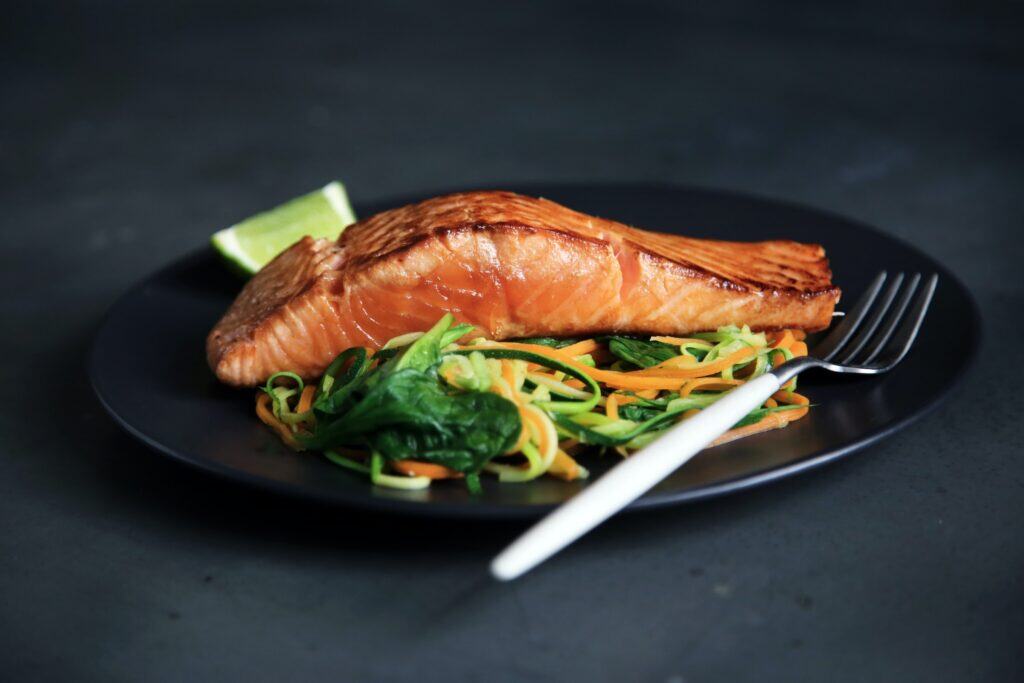
The smarter solution is to eat a balanced diet with enough protein, fibre, and healthy fats. This means filling your plate with plenty of fruits and vegetables, lean protein sources like chicken and fish, and whole grains. This nourishes your body, supports your metabolic health, and keeps you full longer – all of which help you lose weight in a more sustainable way.
But what if you’re already eating healthy and exercising regularly, and you’re still not seeing the results you want? In this case, it might be worth exploring other factors that can impact weight loss, such as stress, sleep, and hormone imbalances.
Building a Sustainable Weight Loss Journey
When it comes to weight loss, it’s easy to fall for myths surrounding diet and fat loss that promise a quick fix. But believing in shortcuts or a “magic bullet” approach will only set you up to gain weight again.
Instead, focus on what works for long-term weight management:
- A balanced diet that includes carbohydrates from whole grains, lean protein, and healthy fats
- Regular physical activity that combines cardio and resistance training
- A lifestyle approach that prevents overeating and reduces reliance on processed foods
By moving past these common weight loss myths, you can finally approach your weight loss journey with clarity, confidence, and a plan that supports both fat loss and overall health. Remember, the goal isn’t just to lose weight quickly – it’s to achieve and maintain a healthy weight in a way that feels good and lasts.
In conclusion, it’s important to understand the truth behind these weight-loss myths to achieve long-term success. Remember, weight loss is not a one-size-fits-all solution, and there is no quick fix or magic pill. Don’t believe everything you hear, and don’t rely on quick fixes or extreme diets. And always remember, it’s never too late to start making positive changes for your health and well-being. So, what’s your favourite way to stay active and healthy? Whether it’s going for a walk, trying a new workout class, or cooking a healthy meal, make it a priority to prioritise your health and well-being every day.
FAQs about Weight Loss
1. Do carbs really cause weight gain?
Not all carbs are bad. Highly processed foods can contribute to weight gain, but whole grains, fruits, and vegetables provide fiber and nutrients that actually help you lose weight and support overall health.
2. Is cardio the best way to lose weight?
Cardio supports heart health and burns calories, but it’s not the only way. Combining cardio with strength training boosts muscle mass, prevents metabolism slowdown, and leads to more sustainable fat loss.
3. Will eating less always help me lose weight?
Eating too little can slow down your metabolism and even cause weight gain over time. Instead of drastic calorie cuts, focus on a balanced diet with enough protein, healthy fats, and fiber.
4. Can skipping meals help with weight loss?
Skipping meals often backfires, leading to overeating later and blood sugar crashes. This can lead to weight gain rather than supporting healthy weight loss.
5. What is the best way to achieve long-term weight loss?
The best way to lose weight is not through a quick fix or fad diet, but by adopting a sustainable approach that combines nutrient-dense foods, smart calorie intake, and regular physical activity for lasting results.
About the Author
Metabolic Health Coach | Author of Reverse Prediabetes Now
She is a Nutritionist and Prediabetes Coach dedicated to helping individuals achieve their health and weight management goals through sustainable lifestyle changes.
Madhavi works with clients facing metabolic challenges such as weight management, gut imbalances, PCOS, insulin resistance, and Prediabetes. With certifications in nutrition, fitness, intermittent fasting, and sleep, stress, and recovery management, Madhavi’s holistic approach focuses on the four pillars of health: nourishing food, regular exercise, quality sleep, and effective stress management.
SHARE

Losing weight is a common goal for many people, but with so much information out there, it can be hard to know what to believe. I wouldn’t be surprised if you feel confused and overwhelmed with all the conflicting advice. From fad diets and extreme workouts to mixed opinions from experts, the space is full of common myths that make weight management feel harder than it really is.
Unfortunately, these weight loss myths can do more harm than good. They can lead to weight gain, frustration, discouragement, and even giving up on your goals altogether. Is this where you are right now? Have you tried different approaches only to find yourself back at the starting line?
The truth is, when it comes to weight loss, there is no single magic answer. A good plan combines balanced diet choices, physical activity, and sustainable habits. In this article, I’ll debunk three myths about weight loss and share how to approach your weight loss journey in a healthier way.
Myth #1: Carbs are the Enemy
Carbohydrate Confusion: Are Carbs Really the Enemy?
One of the most persistent weight loss myths is that carbohydrates cause weight gain. We’ve all heard the saying that “carbs are the enemy” when it comes to weight loss. Low-carb and keto diets are popular because they promise quick fix results.
But here’s the truth: not all carbohydrate sources are the same. Highly processed foods like white bread, pastries, and sugar can contribute to weight gain, but whole grains, fruits, and vegetables are packed with fibre, vitamins, and minerals that help you lose weight in a sustainable way.
Carbs are also your body’s primary source of energy. Eliminating them completely can slow down your metabolism, leave you feeling sluggish, and even trigger overeating later. Including healthy carbs as part of a balanced diet supports overall health and helps with long-term weight management.
Here are some examples of healthy complex carbs that can be included in your diet during a weight loss phase:
- Whole grains: These include whole wheat, brown rice, quinoa, and oats. They are rich in fibre, which can help you feel full and satisfied, and they also provide essential vitamins and minerals.
- Fruits: Fruits like apples, berries and oranges are all great sources of healthy carbs. They are also rich in fibre and antioxidants, which can help protect your body from disease.
- Vegetables: Vegetables like broccoli, spinach, okra and carrots are all great sources of healthy carbs. They are also rich in vitamins, minerals, and fibre, which can help keep you feeling full and satisfied.
- Legumes: Legumes like lentils, chickpeas, and black beans are a great source of healthy carbs, as well as protein and fibre. They can also help regulate blood sugar levels and improve digestion.
In short, carbs are not the enemy – it’s the type and amount that matter. Pairing carbohydrates with protein and healthy fats can help stabilise blood sugar and prevent the kind of cravings that often lead to weight gain.
Myth #2: Cardio is the only way to burn fat
Cardio vs. Strength: What Really Helps You Lose Weight and Burn Fat
Another common myth is that endless cardio sessions are the best way to lose weight. While running, biking, or swimming are excellent for your heart and overall health, relying only on cardio for fat loss is not the smartest strategy. In fact, excessive cardio can actually hinder weight loss.
Excessive cardio can break down muscle mass, which may slow down your metabolism and make it harder to maintain a healthy weight. High cortisol levels from overtraining can even cause weight gain in the long run.
The truth behind these common myths is that physical activity should be balanced. Resistance training (like weightlifting or bodyweight exercises) helps you build muscle, and more muscle means your body burns more calories at rest. Strength training paired with cardio not only supports sustainable fat loss, but also improves bone health, strength, and confidence. When you lift weights, your body burns calories both during and after your workout. This is because weightlifting helps build lean muscle mass, which requires more energy to maintain than fat tissue. This means that the more muscle you have, the more calories you will burn, even when you’re at rest.
In addition to weightlifting, there are other forms of exercise that can help you burn fat and improve your overall health. Yoga and Pilates are great options because they help build strength and flexibility, which can help prevent injuries and improve your posture. High-intensity interval training (HIIT) is another effective way to burn fat and build muscle. HIIT involves short bursts of high-intensity exercise followed by periods of rest or low-intensity exercise. This type of workout can be done with any form of cardio, such as running, cycling, or jumping jacks.
Here are 5 easy ways to add fat-burning exercises to your routine:
- Take the stairs instead of the elevator. This simple change can help you burn extra calories throughout the day.
- Go for a walk during your lunch break. Walking is a low-impact exercise that can help you burn fat and reduce stress.
- Do bodyweight exercises at home, such as push-ups, squats, and lunges. These exercises can help you build muscle and burn fat without any equipment.
- Incorporate high-intensity interval training (HIIT) into your workouts. HIIT involves short bursts of high-intensity exercise followed by periods of rest or low-intensity exercise. This type of workout can be done with any form of cardio, such as running, cycling, or jumping jacks.
- Try a new form of exercise, such as yoga or Pilates. These forms of exercise can help you build strength, improve flexibility, and reduce stress.
In conclusion, the idea that cardio is the only way to burn fat is a myth. While cardio exercise is a great way to improve your cardiovascular health, there are many other forms of exercise that can be just as effective, if not more effective, at burning fat and building muscle. So, don’t be afraid to mix up your workout routine and try new forms of exercise to achieve your weight loss and fitness goals. And remember, too much cardio can actually hinder your progress, so it’s important to find a balance that works for your body.
Myth #3: You have to eat less to lose weight
The Best Way to Lose Weight is not Always the Fastest
One of the most damaging myths surrounding weight loss is that you just need to eat less. The idea sounds simple: cut calories, drop pounds. But eating too little is not the best way to lose weight – in fact, it can backfire.
Severely reducing your calorie intake can put your body into “starvation mode,” which slows down your metabolism and makes it harder to burn fat. You may also feel dizzy, tired, or irritable, which often leads to overeating later. Over time, these cycles can lead to weight gain instead of healthy weight loss.
Skipping meals is another common trap. While it may seem like skipping breakfast or lunch helps create a calorie deficit, it often leads to overeating later in the day. This can contribute to weight gain, blood sugar fluctuations, and even higher risk of heart disease.
Did you know?
RMR stands for Resting Metabolic Rate, which is the number of calories your body burns at rest. This includes the calories your body needs to function properly, such as breathing and circulation. When you cut calories too drastically, your body goes into survival mode, and your RMR decreases as a result. This means that your body is burning fewer calories at rest, which makes it harder to lose weight. In fact, studies have shown that cutting calories too drastically can actually lead to a reduction in RMR, making it even harder to lose weight in the long run. That’s why it’s important to focus on making sustainable lifestyle changes instead of quick fixes that could do more harm than good.
The smarter solution is to eat a balanced diet with enough protein, fibre, and healthy fats. This means filling your plate with plenty of fruits and vegetables, lean protein sources like chicken and fish, and whole grains. This nourishes your body, supports your metabolic health, and keeps you full longer – all of which help you lose weight in a more sustainable way.
But what if you’re already eating healthy and exercising regularly, and you’re still not seeing the results you want? In this case, it might be worth exploring other factors that can impact weight loss, such as stress, sleep, and hormone imbalances.
Building a Sustainable Weight Loss Journey
When it comes to weight loss, it’s easy to fall for myths surrounding diet and fat loss that promise a quick fix. But believing in shortcuts or a “magic bullet” approach will only set you up to gain weight again.
Instead, focus on what works for long-term weight management:
- A balanced diet that includes carbohydrates from whole grains, lean protein, and healthy fats
- Regular physical activity that combines cardio and resistance training
- A lifestyle approach that prevents overeating and reduces reliance on processed foods
By moving past these common weight loss myths, you can finally approach your weight loss journey with clarity, confidence, and a plan that supports both fat loss and overall health. Remember, the goal isn’t just to lose weight quickly – it’s to achieve and maintain a healthy weight in a way that feels good and lasts.
In conclusion, it’s important to understand the truth behind these weight-loss myths to achieve long-term success. Remember, weight loss is not a one-size-fits-all solution, and there is no quick fix or magic pill. Don’t believe everything you hear, and don’t rely on quick fixes or extreme diets. And always remember, it’s never too late to start making positive changes for your health and well-being. So, what’s your favourite way to stay active and healthy? Whether it’s going for a walk, trying a new workout class, or cooking a healthy meal, make it a priority to prioritise your health and well-being every day.
FAQs about Weight Loss
1. Do carbs really cause weight gain?
Not all carbs are bad. Highly processed foods can contribute to weight gain, but whole grains, fruits, and vegetables provide fiber and nutrients that actually help you lose weight and support overall health.
2. Is cardio the best way to lose weight?
Cardio supports heart health and burns calories, but it’s not the only way. Combining cardio with strength training boosts muscle mass, prevents metabolism slowdown, and leads to more sustainable fat loss.
3. Will eating less always help me lose weight?
Eating too little can slow down your metabolism and even cause weight gain over time. Instead of drastic calorie cuts, focus on a balanced diet with enough protein, healthy fats, and fiber.
4. Can skipping meals help with weight loss?
Skipping meals often backfires, leading to overeating later and blood sugar crashes. This can lead to weight gain rather than supporting healthy weight loss.
5. What is the best way to achieve long-term weight loss?
The best way to lose weight is not through a quick fix or fad diet, but by adopting a sustainable approach that combines nutrient-dense foods, smart calorie intake, and regular physical activity for lasting results.
About the Author
Metabolic Health Coach | Author of Reverse Prediabetes Now
She is a Nutritionist and Prediabetes Coach dedicated to helping individuals achieve their health and weight management goals through sustainable lifestyle changes.
Madhavi works with clients facing metabolic challenges such as weight management, gut imbalances, PCOS, insulin resistance, and Prediabetes. With certifications in nutrition, fitness, intermittent fasting, and sleep, stress, and recovery management, Madhavi’s holistic approach focuses on the four pillars of health: nourishing food, regular exercise, quality sleep, and effective stress management.
SHARE
Related
Should You Try Intermittent Fasting? What to Know Before You Skip Breakfast
You’ve probably heard the buzz.Celebrities swear by it. Your gym buddy’s…

Why You’re Not Losing Weight: 5 Diet Mistakes That Could Be Holding You Back
You’ve switched to olive oil. You’ve cut back on sugar. You’re eating more…

Living with PCOS? These 4 Daily Shifts Matter More Than You Think
If you’re living with PCOS, chances are you’ve been told to lose weight, cut…

10 Reasons You’re Exhausted (That Have Nothing to Do with Laziness)
Tired of feeling tired all the time? You're not alone. Fatigue has become so…

Will Weight Lifting Make Me Bulky?
It’s one of the most common fears women have when starting a fitness routine:…
Perimenopause and PCOS: Supporting Your Body Through the Shift
If you're living with PCOS and heading into your 40s, you might be wondering:…
What is Prediabetes?
Have you been diagnosed with Prediabetes? Are you wondering what it actually…