


PCOS is a hormonal condition that influences ovulation, insulin and androgen levels, and as a result, each of these shifts plays a direct role in how PCOS contributes to hair loss. One of its hallmark signs? Elevated androgens like testosterone.
These androgens can do two things at once:
- Stimulate excess facial/body hair (hirsutism)
- Lead to scalp hair thinning, especially at the crown or temples, and as a result, many women notice a gradual change in density over time
This condition is known as androgenic alopecia – a patterned hair loss that’s more common in PCOS than many realise.
Why Is My Hair Falling Out So Much?
Here’s what’s typically driving PCOS-related hair loss:
- High androgens – Shrink hair follicles and reduce the growth phase
- Insulin resistance – Increases androgen production from ovaries
- Chronic inflammation – Impacts scalp health and nutrient delivery
- Nutrient deficiencies – Iron, zinc, vitamin D, and B12 all affect hair strength
Your hair isn’t just a victim of stress – it’s reacting to a deeper hormonal and metabolic imbalance.
How to Tell If It’s Really PCOS and Hair Loss
Hair shedding can happen for many reasons – postpartum, thyroid imbalances, crash dieting, even poor sleep. So how can you know it’s PCOS?
Signs it’s likely PCOS-related hair loss:
- You also have acne, irregular periods, or excess facial/body hair
- Hair is thinning mostly at the crown or along the part line
- You’ve ruled out thyroid, iron deficiency, or sudden weight loss
- You have a family history of hormonal imbalances or pattern baldness
If this sounds familiar, don’t panic – but do take action.
What Actually Helps? Nutrition-First Strategies to Slow the Shedding
Let’s be clear: PCOS and hair loss won’t reverse overnight. But with consistent dietary and lifestyle changes, you can nourish regrowth.
1. Stabilise Insulin with Food
- Ditch refined carbs for whole grains, lentils, and vegetables
- Always pair carbs with protein or healthy fats
- Some individuals may benefit from supplements like berberine, or inositol to support insulin sensitivity, but these should only be considered after personalised assessment and medical guidance
2. Lower Androgen Levels Through Diet
- Spearmint tea has mild anti-androgen effects
- Zinc-rich foods like pumpkin seeds, dals, and nuts support hormone metabolism (source)
- Avoiding excessive red meat can reduce IGF-1 and inflammation in some women
3. Support Scalp Health Naturally
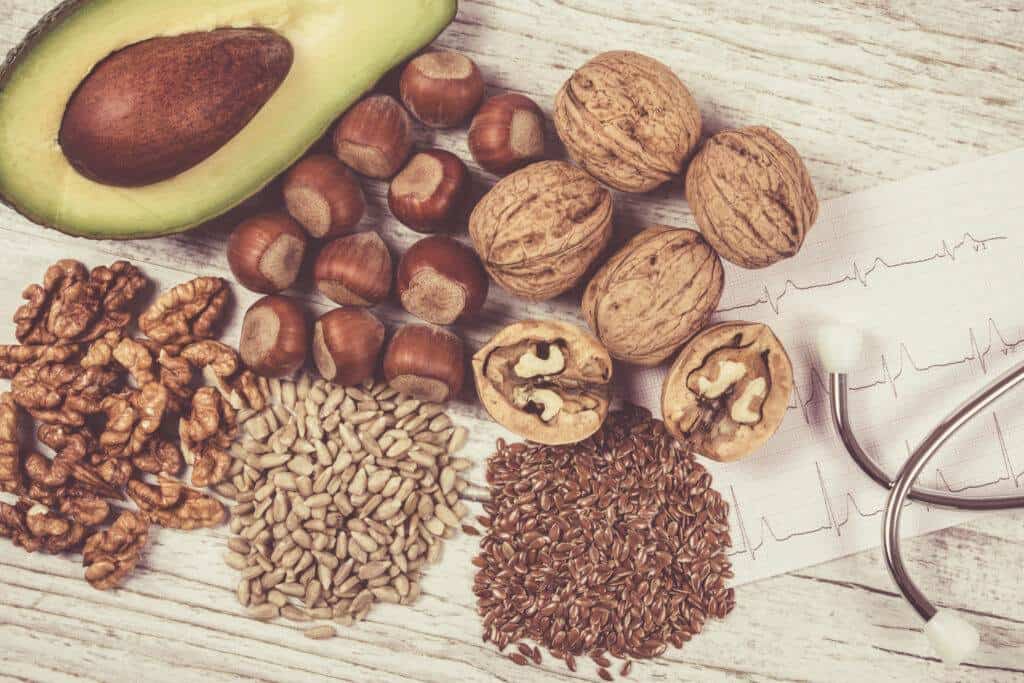
- Eat omega-3s from flax, chia, or walnuts to reduce inflammation
- Stay hydrated – dehydration impacts scalp sebum and dryness
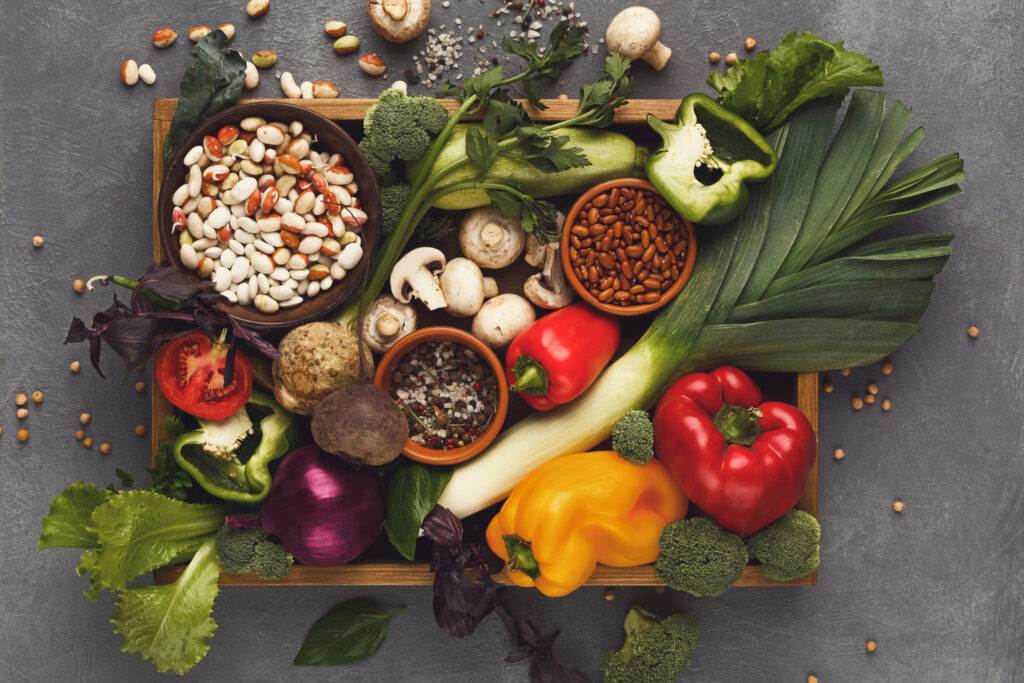
- Include colourful fruits and vegetables for antioxidant support
4. Fill in Nutrient Gaps
- Check and replenish:
- Iron (especially ferritin for vegetarians)
- Vitamin D (common deficiency in Indian women)
- Vitamin B12 (often low in plant-based diets)
- If your diet is limited, consider a functional multivitamin to fill common gaps
Lifestyle Tips That Amplify Nutritional Gains
- Prioritise Sleep – Poor sleep = higher cortisol = more shedding
- Manage Stress – Chronic stress drains nutrients, spikes inflammation, and messes with your hormones. Think about breathwork, walks, or journaling – daily.
- Move Smartly – Moderate resistance training improves insulin and supports hormone health
- Be Gentle with Hair – Wash with chemical-free shampoo every 2–3 days and skip daily heat tools
Hair Loss Is a Nutritional Signal, Not a Flaw
Hair loss isn’t just a surface-level issue. In PCOS, it often reflects deeper nutritional stress or metabolic imbalances.
The good news? Your plate is powerful. With steady shifts in how you eat, sleep, and support your body, you can rebuild both your hair and your hormonal resilience from within.
FAQs
How long does it take to see improvement in PCOS related hair loss?
Hair grows in cycles, which means visible improvement usually appears after eight to twelve weeks. However, when insulin resistance or nutrient deficiencies are more pronounced, progress may understandably take longer. This is why consistency with food, sleep and stress routines becomes even more important, as these steady habits support far better results than any quick fix.
Do supplements like inositol or spearmint tea really work for hair loss?
They can support hormonal balance, yet they are not stand alone solutions, and therefore work best when combined with broader lifestyle changes. For instance, inositol helps improve insulin sensitivity for many women with PCOS, while spearmint tea offers mild anti androgen effects that can complement other interventions. Their impact is gradual and should be used alongside diet and lifestyle changes. Always confirm suitability with a clinician.
Is hair loss in PCOS caused only by high androgens?
No. Androgens contribute, but insulin resistance, chronic inflammation, sleep disruption and micronutrient deficiencies also impact the growth cycle. Treating only androgen levels without correcting food and lifestyle issues often leads to limited results.
Should I change my hair products if I have PCOS related hair loss?
Think of hair products as supportive, not primary treatment. Gentle, chemical free products can reduce breakage and irritation, but the root causes lie in hormones, nutrition and metabolic health. Prioritise protein balanced meals, better sleep, stress care and micronutrient checks first.
How do I know if my hair loss is due to PCOS or something else?
If you also have acne, irregular cycles or increased facial hair, and your thinning is concentrated at the crown or part line, it is more likely PCOS related. Rule out thyroid issues, severe stress, recent illness or major weight changes with your doctor.
Does weight loss help with hair regrowth in PCOS?
Even a small reduction in central fat can improve insulin sensitivity and lower androgen production. This can support regrowth, reduce shedding and improve the quality of new hair. Focus on slow, sustainable changes rather than aggressive dieting.
About the Author
Metabolic Health Coach | Author of Reverse Prediabetes Now
She is a Nutritionist and Prediabetes Coach, dedicated to helping individuals achieve their health and weight management goals through sustainable lifestyle changes.
Madhavi works with clients facing metabolic challenges such as weight management, gut imbalances, PCOS, insulin resistance, and Prediabetes. With certifications in nutrition, fitness, intermittent fasting, sleep, and stress and recovery management; Madhavi’s holistic approach focuses on the four pillars of health: nourishing food, regular exercise, quality sleep, and effective stress management.
SHARE

PCOS is a hormonal condition that influences ovulation, insulin and androgen levels, and as a result, each of these shifts plays a direct role in how PCOS contributes to hair loss. One of its hallmark signs? Elevated androgens like testosterone.
These androgens can do two things at once:
- Stimulate excess facial/body hair (hirsutism)
- Lead to scalp hair thinning, especially at the crown or temples, and as a result, many women notice a gradual change in density over time
This condition is known as androgenic alopecia – a patterned hair loss that’s more common in PCOS than many realise.
Why Is My Hair Falling Out So Much?
Here’s what’s typically driving PCOS-related hair loss:
- High androgens – Shrink hair follicles and reduce the growth phase
- Insulin resistance – Increases androgen production from ovaries
- Chronic inflammation – Impacts scalp health and nutrient delivery
- Nutrient deficiencies – Iron, zinc, vitamin D, and B12 all affect hair strength
Your hair isn’t just a victim of stress – it’s reacting to a deeper hormonal and metabolic imbalance.
How to Tell If It’s Really PCOS and Hair Loss
Hair shedding can happen for many reasons – postpartum, thyroid imbalances, crash dieting, even poor sleep. So how can you know it’s PCOS?
Signs it’s likely PCOS-related hair loss:
- You also have acne, irregular periods, or excess facial/body hair
- Hair is thinning mostly at the crown or along the part line
- You’ve ruled out thyroid, iron deficiency, or sudden weight loss
- You have a family history of hormonal imbalances or pattern baldness
If this sounds familiar, don’t panic – but do take action.
What Actually Helps? Nutrition-First Strategies to Slow the Shedding
Let’s be clear: PCOS and hair loss won’t reverse overnight. But with consistent dietary and lifestyle changes, you can nourish regrowth.
1. Stabilise Insulin with Food
- Ditch refined carbs for whole grains, lentils, and vegetables
- Always pair carbs with protein or healthy fats
- Some individuals may benefit from supplements like berberine, or inositol to support insulin sensitivity, but these should only be considered after personalised assessment and medical guidance
2. Lower Androgen Levels Through Diet
- Spearmint tea has mild anti-androgen effects
- Zinc-rich foods like pumpkin seeds, dals, and nuts support hormone metabolism (source)
- Avoiding excessive red meat can reduce IGF-1 and inflammation in some women
3. Support Scalp Health Naturally
- Eat omega-3s from flax, chia, or walnuts to reduce inflammation
- Stay hydrated – dehydration impacts scalp sebum and dryness
- Include colourful fruits and vegetables for antioxidant support
4. Fill in Nutrient Gaps
- Check and replenish:
- Iron (especially ferritin for vegetarians)
- Vitamin D (common deficiency in Indian women)
- Vitamin B12 (often low in plant-based diets)
- If your diet is limited, consider a functional multivitamin to fill common gaps
Lifestyle Tips That Amplify Nutritional Gains
- Prioritise Sleep – Poor sleep = higher cortisol = more shedding
- Manage Stress – Chronic stress drains nutrients, spikes inflammation, and messes with your hormones. Think about breathwork, walks, or journaling – daily.
- Move Smartly – Moderate resistance training improves insulin and supports hormone health
- Be Gentle with Hair – Wash with chemical-free shampoo every 2–3 days and skip daily heat tools
Hair Loss Is a Nutritional Signal, Not a Flaw
Hair loss isn’t just a surface-level issue. In PCOS, it often reflects deeper nutritional stress or metabolic imbalances.
The good news? Your plate is powerful. With steady shifts in how you eat, sleep, and support your body, you can rebuild both your hair and your hormonal resilience from within.
FAQs
How long does it take to see improvement in PCOS related hair loss?
Hair grows in cycles, which means visible improvement usually appears after eight to twelve weeks. However, when insulin resistance or nutrient deficiencies are more pronounced, progress may understandably take longer. This is why consistency with food, sleep and stress routines becomes even more important, as these steady habits support far better results than any quick fix.
Do supplements like inositol or spearmint tea really work for hair loss?
They can support hormonal balance, yet they are not stand alone solutions, and therefore work best when combined with broader lifestyle changes. For instance, inositol helps improve insulin sensitivity for many women with PCOS, while spearmint tea offers mild anti androgen effects that can complement other interventions. Their impact is gradual and should be used alongside diet and lifestyle changes. Always confirm suitability with a clinician.
Is hair loss in PCOS caused only by high androgens?
No. Androgens contribute, but insulin resistance, chronic inflammation, sleep disruption and micronutrient deficiencies also impact the growth cycle. Treating only androgen levels without correcting food and lifestyle issues often leads to limited results.
Should I change my hair products if I have PCOS related hair loss?
Think of hair products as supportive, not primary treatment. Gentle, chemical free products can reduce breakage and irritation, but the root causes lie in hormones, nutrition and metabolic health. Prioritise protein balanced meals, better sleep, stress care and micronutrient checks first.
How do I know if my hair loss is due to PCOS or something else?
If you also have acne, irregular cycles or increased facial hair, and your thinning is concentrated at the crown or part line, it is more likely PCOS related. Rule out thyroid issues, severe stress, recent illness or major weight changes with your doctor.
Does weight loss help with hair regrowth in PCOS?
Even a small reduction in central fat can improve insulin sensitivity and lower androgen production. This can support regrowth, reduce shedding and improve the quality of new hair. Focus on slow, sustainable changes rather than aggressive dieting.
About the Author
Metabolic Health Coach | Author of Reverse Prediabetes Now
She is a Nutritionist and Prediabetes Coach, dedicated to helping individuals achieve their health and weight management goals through sustainable lifestyle changes.
Madhavi works with clients facing metabolic challenges such as weight management, gut imbalances, PCOS, insulin resistance, and Prediabetes. With certifications in nutrition, fitness, intermittent fasting, sleep, and stress and recovery management; Madhavi’s holistic approach focuses on the four pillars of health: nourishing food, regular exercise, quality sleep, and effective stress management.
SHARE
Related
Should You Try Intermittent Fasting? What to Know Before You Skip Breakfast
You’ve probably heard the buzz.Celebrities swear by it. Your gym buddy’s…
Struggling with Intermittent Fasting? 5 Mistakes You Might Be Making
Still Not Seeing Results from Fasting? Let’s Talk. You’re skipping…

Why Strength Training for Women Over 35 Beats Cardio for Long-Term Health
If you’re a woman in your mid-30s or beyond, chances are you’ve been told…
Cortisol, Blood Sugar and Sleep
You’ve cleaned up your diet. You’re exercising regularly. You’ve ditched…

5 Foods That Heal – and 5 That Harm – Your Gut Lining
Grab a glass of jeera water and settle in. This is a gut check you don’t want…

Circadian Rhythm and Weight Loss: Why Timing Matters as Much as Calories
Grab a cup of chai. This one’s worth sipping slowly. We all know the basics…
What is Prediabetes?
Have you been diagnosed with Prediabetes? Are you wondering what it actually…